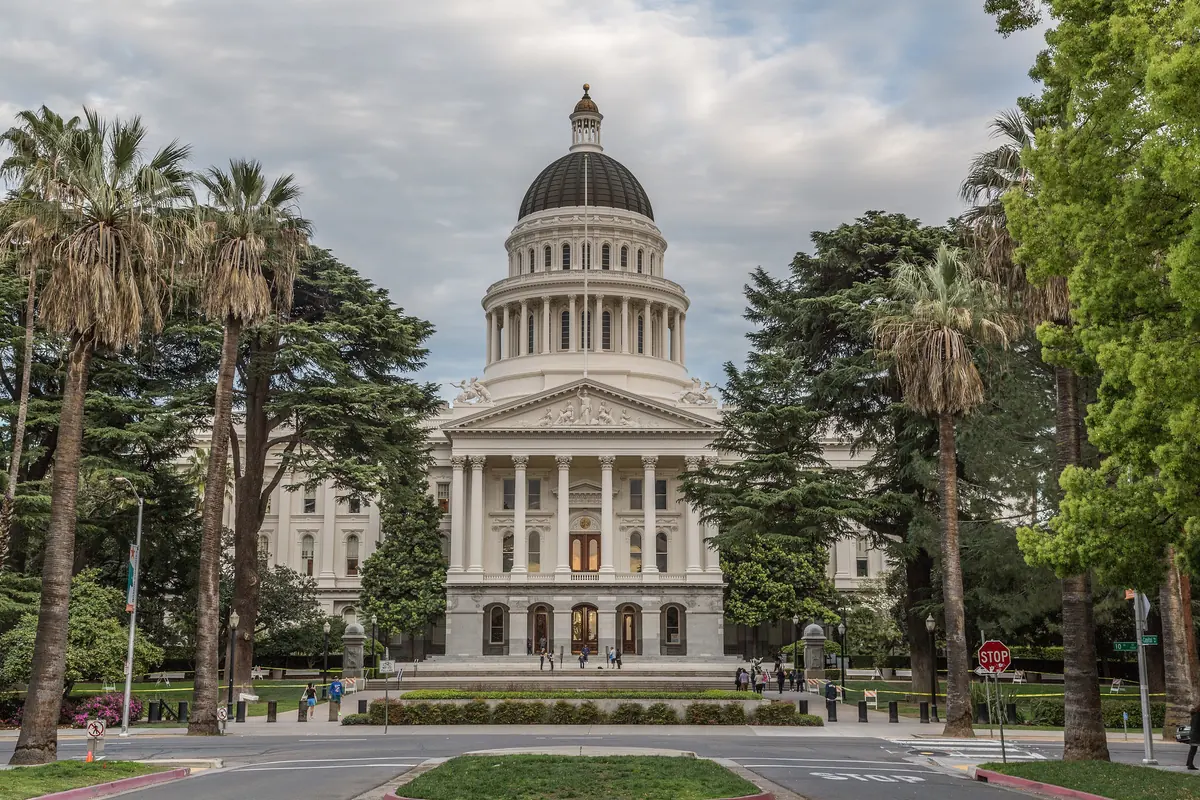
The “Stop Nick Shirley Act” is the nickname opponents gave California Assembly Bill 2624, a law by Assemblymember Mia Bonta that adds immigration support workers to the state’s Safe at Home address confidentiality program and lets them sue people who post their personal information online to incite or threaten violence. It passed: Governor Gavin Newsom signed it on August 22, 2026, it takes effect October 1, 2027, and Nick Shirley has sued in federal court to block it.
- Official subject
- Privacy for immigration support services providers
- Author
- Assemblymember Mia Bonta (D-Oakland)
- Nickname coined by
- Assemblymember Carl DeMaio (R-San Diego)
- Signed
- August 22, 2026, Chapter 117, Statutes of 2026
- Takes effect
- October 1, 2027
- Lawsuit
- Shirley v. Bonta, filed September 4, 2026
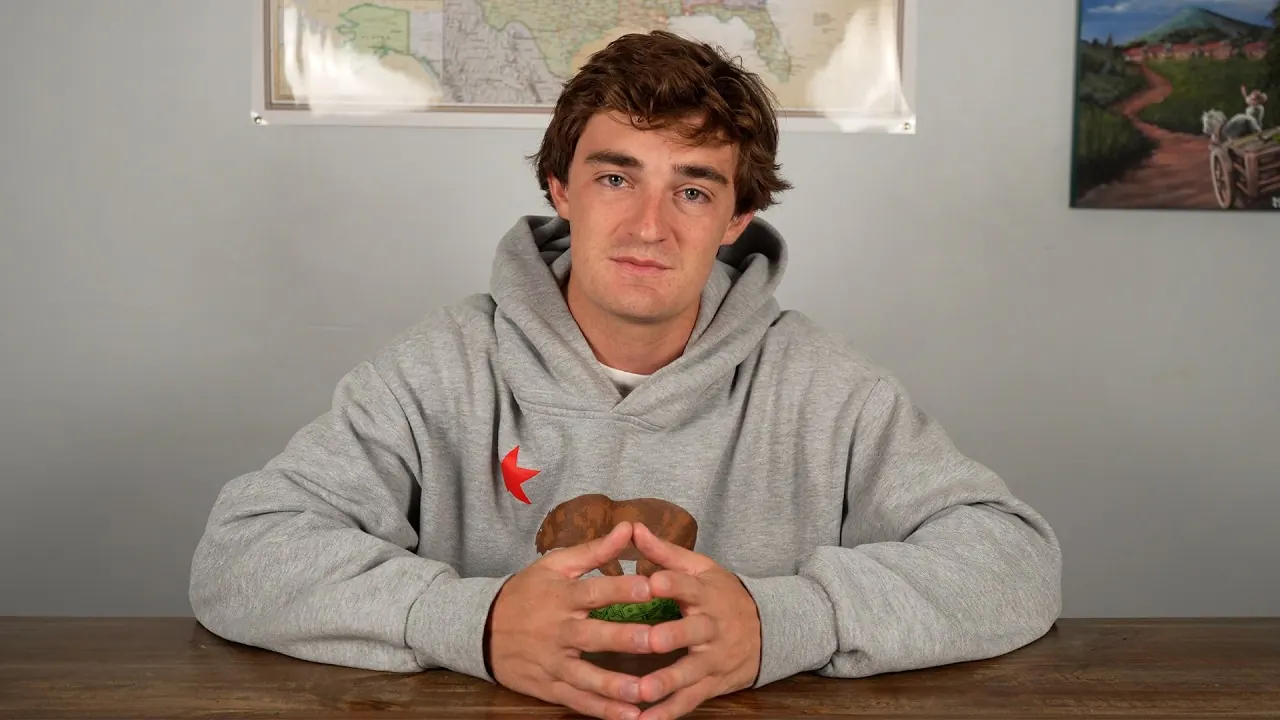 Play “I'm Suing California…” (loads YouTube)
I'm Suing California… · Nick Shirley · September 4, 2026
What AB 2624 actually does
AB 2624 extends Safe at Home, the program that since 1998 has let domestic violence survivors keep their addresses out of public records, to people who provide, assist in providing or receive immigration support services. The signed bill text defines those services broadly, from legal help and translation to counseling and health care. Applicants must apply in person and document threats, harassment or violence from the past year; the Secretary of State then gives them a substitute address.
The speech rules are the contested part. The law bars knowingly posting a covered worker’s personal information or image online with the specific intent to incite someone to cause imminent great bodily harm, or to threaten the worker in a way that creates objectively reasonable fear. Participants can also send a written demand not to post their information, good for four years. Victims can sue for court orders, attorney fees and damages of up to three times their losses, never less than $4,000. “Personal information” includes a name and employment history, and “image” includes video footage.
Why opponents call it the Stop Nick Shirley Act
Assemblymember Carl DeMaio, a San Diego Republican, dubbed AB 2624 the “Stop Nick Shirley Act” in April 2026, after asking at a hearing whether Somali-run learning centers like those in Shirley’s Minnesota daycare video could count as immigrant service providers. The bill never mentions Shirley or journalism. Critics point to timing. Shirley announced his arrival in California on January 31, 2026, and Attorney General Rob Bonta called fraud claims about the state “reckless” on February 5. Shirley posted his California voter roll video on February 16, and Mia Bonta, the attorney general’s wife, introduced the bill four days later.
The case for AB 2624
Supporters say AB 2624 protects individual workers and leaves reporting alone. Its sponsor, the Coalition for Humane Immigrant Rights (CHIRLA), told lawmakers its staff had been followed, filmed and threatened. Bonta’s office said on April 17 that visiting locations, filming in public and publishing reports fall outside the bill, and that the nickname has no basis in its text. Snopes rated false the claim that it would criminalize investigative journalism, and KCRA’s fact check also answered no, while noting real free speech questions.
Both checks reviewed early drafts. Every version through the Assembly vote exempted journalists covered by the state’s shield law (Evidence Code Section 1070) from the takedown-demand rule. The Senate’s July 2 amendments deleted that exemption and added a specific-intent requirement to the demand rule instead.
The case against the Nick Shirley Act
Opponents of the Nick Shirley Act say it shields taxpayer-funded groups and chills reporting on them. The California Family Council, one of two groups formally opposed in committee, called its “reasonable fear” standard vague. DeMaio said the bill was about intimidating people who expose bad behavior. On August 28, 2026, members of the House Republican Study Committee urged the Justice Department to sue to block the law, and chairman August Pfluger said it showed how far Democrats would go to protect fraudsters. Final votes ran mostly along party lines, though two Republicans backed the first Assembly floor vote.
AB 2624 milestones
AB 2624 went from introduction to signature in six months, per the official bill history.
| Date | Step | Vote |
|---|---|---|
| February 20, 2026 | Introduced | |
| April 23, 2026 | Amended; criminal fine and jail lines struck | |
| May 26, 2026 | Passed the Assembly | 57 to 19 |
| July 2, 2026 | Amended in the Senate | |
| August 18, 2026 | Passed the Senate | 30 to 10 |
| August 19, 2026 | Assembly concurred | 59 to 19 |
| August 22, 2026 | Signed by Governor Newsom | |
| September 4, 2026 | Shirley v. Bonta filed |
Nick Shirley’s videos on AB 2624
Nick Shirley has posted five YouTube videos about the bill.
- April 18, 2026: “I Investigated California’s ‘Stop Nick Shirley Act’ To Protect Fraudsters.” His description warned of $10,000 fines and jail. The pending draft did carry both, for posting with intent that someone commit a violent crime; those lines were struck five days later.
- May 29, 2026: “California Passed the ‘Stop Nick Shirley Act’…,” three days after the Assembly vote.
- August 19, 2026: “Confronting California Politicians Behind the ‘Stop Nick Shirley Act’,” questioning Bonta and senators at the Capitol.
- August 27, 2026: “California Erupts… Nick Shirley Rally Takes Over Sacramento,” from the August 26 rally at the Capitol. KCRA reported three arrests on assault allegations; police did not say which side those arrested were on.
- September 4, 2026: “I’m Suing California…,” embedded above.
Shirley v. Bonta, the AB 2624 lawsuit
Nick Shirley filed Shirley v. Bonta, No. 2:26-cv-03000, on September 4, 2026, in the U.S. District Court for the Eastern District of California, naming Attorney General Rob Bonta and Secretary of State Shirley N. Weber. America First Legal represents him. The complaint raises five claims: content and viewpoint discrimination on the law’s face and as applied, overbreadth, vagueness, and an ex post facto claim over videos he posted earlier. Its core argument is that the law shields people on one side of the immigration debate only. It asks the court to declare the law’s speech sections unconstitutional and bar their enforcement against anyone.
Judge Daniel J. Calabretta took the case after Judge John A. Mendez took senior status. Shirley moved for a preliminary injunction on October 1; under a stipulated order, California’s opposition is due November 4, and a hearing is reserved for December 17, 2026. There has been no ruling.
Where the Stop Nick Shirley Act stands now
The Stop Nick Shirley Act is law but not in force. The Secretary of State begins accepting applications on October 1, 2027, the day the chapter becomes operative, and no one can sue under it before then. The Nick Shirley timeline covers the rest of his year.
Stop Nick Shirley Act FAQ
Did the Stop Nick Shirley Act pass?
Yes, the Stop Nick Shirley Act passed the Assembly 57 to 19 and the Senate 30 to 10, and Governor Newsom signed it on August 22, 2026. It takes effect October 1, 2027.
Is Stop Nick Shirley Act the bill’s real name?
No, Stop Nick Shirley Act is a nickname. AB 2624’s official subject is privacy for immigration support services providers; Bonta’s committee statements call it the Safe at Work Act, also not its formal title.
Does AB 2624 make journalism a crime?
AB 2624 never mentions journalism, and each posting ban requires specific intent to incite imminent violence or to threaten. Shirley’s lawsuit argues the takedown-demand rule still chills reporting.
Who wrote the Nick Shirley Act?
The Nick Shirley Act was written by Assemblymember Mia Bonta, an Oakland Democrat married to Attorney General Rob Bonta.
Is Nick Shirley suing over AB 2624?
Yes, Nick Shirley sued California’s attorney general and secretary of state on September 4, 2026. A hearing on his request to block the law is reserved for December 17, 2026.
Sources
- California Legislature via CalMatters Digital Democracy: AB 2624 bill text, history and votes, August 22, 2026
- U.S. District Court, Eastern District of California: Shirley v. Bonta, No. 2:26-cv-03000, docket, October 7, 2026
- Reclaim The Net: Complaint, Shirley v. Bonta (court filing), September 4, 2026
- Office of Assemblymember Mia Bonta: Assemblymember Bonta Corrects Misinformation Circulating About AB 2624, April 17, 2026
- Republican Study Committee: RSC Urges AG Blanche to Challenge ‘Stop Nick Shirley Act’ Over First Amendment Concerns, August 28, 2026
- America First Legal: America First Legal Sues California on Behalf of Nick Shirley, September 4, 2026
- America First Legal: America First Legal Moves to Immediately Block Enforcement of California’s Stop Nick Shirley Act, October 2, 2026
- YouTube, Nick Shirley: I Investigated California’s “Stop Nick Shirley Act” To Protect Fraudsters, April 18, 2026
- YouTube, Nick Shirley: California Passed the “Stop Nick Shirley Act”…, May 29, 2026
- YouTube, Nick Shirley: Confronting California Politicians Behind the “Stop Nick Shirley Act”, August 19, 2026
- YouTube, Nick Shirley: California Erupts… Nick Shirley Rally Takes Over Sacramento, August 27, 2026
- YouTube, Nick Shirley: I’m Suing California…, September 4, 2026
- Snopes: California bill dubbed ‘Stop Nick Shirley Act’ wouldn’t ‘criminalize investigative journalism’, April 17, 2026
- KCRA: Get the Facts: Are California lawmakers trying to criminalize journalists?, April 21, 2026
- CalMatters: What to know about the new California privacy law that became a flashpoint over free speech, August 28, 2026
- KCRA: Three arrested for assault during Nick Shirley-related political rally at State Capitol, August 26, 2026
Last updated October 29, 2026