
Nick Shirley’s California investigation is his March 2026 video on alleged hospice fraud in Los Angeles County, where he filmed hospice offices that looked empty and said he had uncovered more than $170 million in fraud, a figure that is his own estimate. The problem he filmed was already on the record: state auditors flagged likely large-scale hospice fraud in Los Angeles in 2022, and in the weeks after his video, prosecutors announced new hospice cases and California sent about 80 investigators to the Van Nuys building he featured.
- Video
- “I Investigated California’s Billion Dollar Fraud Crisis,” on X March 16 and YouTube March 17, 2026
- His figure
- Over $170 million in fraud (his own estimate)
- Where
- Los Angeles County hospices, mostly Van Nuys office buildings, plus day care sites
- State sweep
- April 7, 2026, about 80 investigators at one Van Nuys address
- New cases
- 8 federal arrests (April 2); 21 charged in a state Medi-Cal case (April 9)
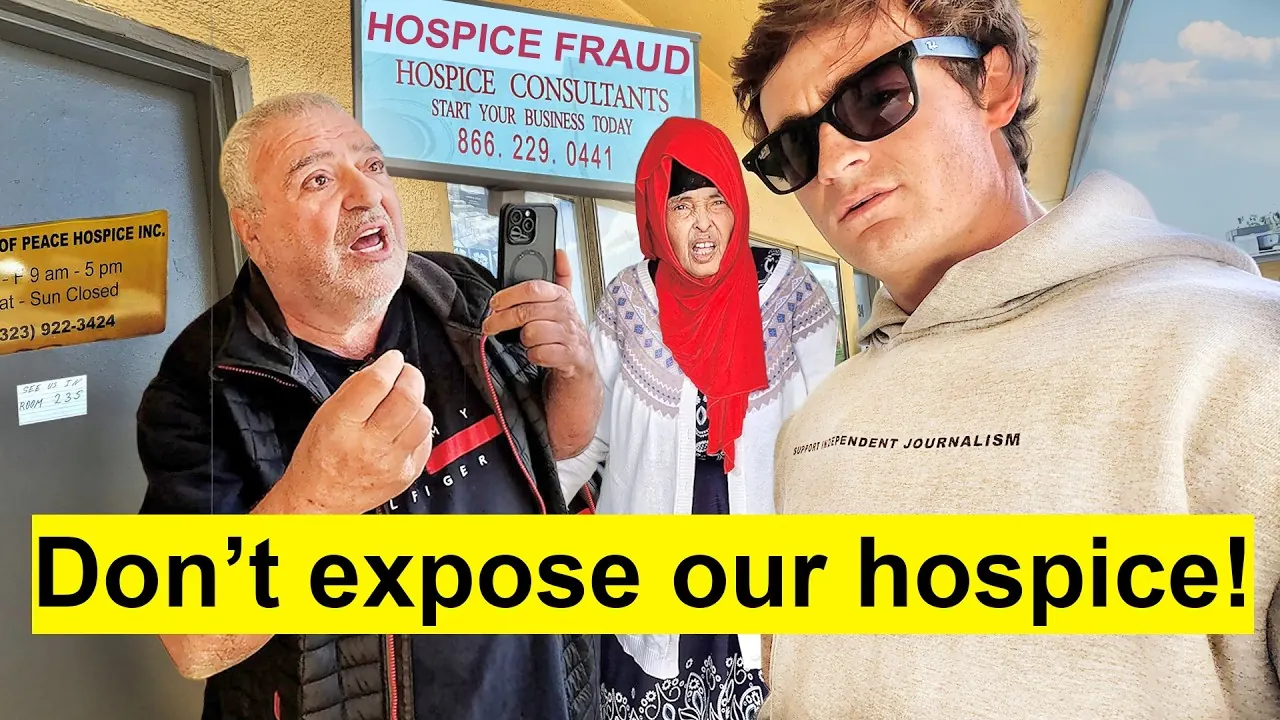 Play “I Investigated California's Billion Dollar Fraud Crisis” (loads YouTube)
I Investigated California's Billion Dollar Fraud Crisis · Nick Shirley · March 17, 2026
What Nick Shirley filmed in Los Angeles
Nick Shirley spent the 40-minute video walking strip malls and office buildings tied to licensed hospices, mostly in Van Nuys, knocking on doors and questioning workers. He pointed to vacant offices and luxury cars in the parking lots, called the pattern “welfare maxxing,” and visited a business he said teaches people how to open a hospice. He posted the full cut on X on March 16, 2026, writing that his crew had uncovered over $170 million in fraud; the YouTube version followed the next day and has about 1.5 million views. The San Francisco Chronicle noted that the video repeated some allegations from an earlier video by CMS Administrator Mehmet Oz, which tied the alleged fraud to the local Armenian community.
Where the California hospice fraud numbers come from
California hospice fraud was documented years before the video. A Los Angeles Times investigation in December 2020 found the industry’s growth in Los Angeles County was marked by fraud and poor care, and it spurred a state audit. The California State Auditor’s March 2022 report found dozens of agencies licensed in single buildings, unusually long stays, many patients discharged alive and the apparent use of stolen medical identities, and concluded that organized networks were likely defrauding Medicare and Medi-Cal. A moratorium on new hospice licenses took effect January 1, 2022.
| Measure | Figure | Source |
|---|---|---|
| Growth in Los Angeles County hospice agencies since 2010 | 1,500 percent | State Auditor, 2022 |
| County hospices per older resident, compared with the national average (2019) | More than 6.5 times | State Auditor, 2022 |
| Monthly billing for 20 patients at the common rate | About $122,000 | State Auditor, 2022 |
| Hospice agencies operating in the county | 1,623 | Los Angeles County via Daily News, April 2026 |
| Medicare billing by about 40 hospices at one Van Nuys address (2023) | More than $38 million | CMS data via Los Angeles Daily News |
| Shirley’s total for his video | Over $170 million | Shirley, March 2026 |
Hospice fraud cases after the video
Hospice fraud enforcement in Los Angeles was already under way, and a run of new actions followed the video. In January 2026, Oz had promoted a federal crackdown on health care fraud in Los Angeles. On April 2, federal authorities announced eight arrests, including three nurses and a psychologist, in schemes they said took more than $50 million. On April 7, Los Angeles County supervisors voted unanimously to join federal and state investigations. On April 9, Attorney General Rob Bonta announced charges against 21 people, five of them arrested, in an alleged $267 million Medi-Cal hospice scheme. In May, CMS said it had suspended 800 California hospice and home health providers, days after a six-month national pause on new Medicare hospice enrollments; Governor Gavin Newsom said Oz would not share the data. Every case remains an allegation until a court rules.
How California officials answered Nick Shirley
California’s first public answer to Nick Shirley was mockery. Newsom’s press office posted an AI-generated image of him on March 17, and Senator John Fetterman, a Pennsylvania Democrat, called the post a smear the next day. On March 24, Newsom’s office said more than 280 hospice licenses had been revoked. On April 7, about 80 surveyors and investigators from several state agencies visited the Van Nuys building. The Department of Public Health’s release, which said it debunked viral claims, reported that 19 entities there were licensed and eligible to bill Medi-Cal, that 109 had never received a license, and that Medicare, run by the federal government, pays most hospice bills. A department deputy director told the Chronicle the work predated the media attention but that the online allegations prompted the sweep. Shirley later told a Senate committee that Newsom and Bonta tried to take credit.
Nick Shirley’s other California videos
Nick Shirley’s first California video, posted February 16, 2026, examined the state’s public voter rolls. With a whistleblower, he visited a storage unit where five people were registered, three of whom voted in 2024, a mail store with 30 registered voters, and records listing voters as 125 years old. Newsom’s press office said he came up empty. Earlier that month he visited Somali-run day cares in San Diego, where providers told Axios they faced harassment. On September 15, 2026, he released “Investigating California’s High Speed Rail,” which argues that about $15 billion has been spent with little built; the federal government terminated $4 billion in grants for the project in July 2025, and California sued.
How Nick Shirley’s California reporting led to AB 2624
Nick Shirley’s California reporting is the backdrop for AB 2624, the bill critics call the Stop Nick Shirley Act. Assemblymember Mia Bonta introduced it on February 20, 2026, four days after the voter roll video and before the hospice video, to add immigrant service workers to the state’s address confidentiality program. She says it targets doxxing. Newsom signed it on August 22, and Shirley sued to block it on September 4. All of his investigations are collected in the Fraud Files.
Nick Shirley California FAQ
What did Nick Shirley find in California?
Nick Shirley filmed Los Angeles hospice offices that appeared empty and said the businesses he visited took more than $170 million through fraud. That total is his estimate; the state and federal cases filed since then use their own figures.
Is Nick Shirley’s $170 million hospice fraud figure confirmed?
No agency has confirmed Nick Shirley’s $170 million figure. Official numbers are separate, such as the $267 million Medi-Cal case Bonta announced on April 9, 2026.
What did California do after the hospice fraud video?
After the hospice fraud video, California sent about 80 investigators to the Van Nuys building on April 7, 2026, and said most entities using that address could not bill Medi-Cal. The state attorney general announced a separate $267 million case two days later.
Why is Los Angeles called the hospice fraud capital?
Hospice fraud concerns center on Los Angeles because the State Auditor found a 1,500 percent rise in county hospice agencies since 2010, many of them clustered in shared buildings. Shirley used the phrase in a March 18, 2026 short.
Did Nick Shirley make other California videos?
Yes, Nick Shirley posted a California voter roll video on February 16, 2026, and a high-speed rail video on September 15, 2026, and he has made five videos on AB 2624.
Sources
- YouTube, Nick Shirley: I Investigated California’s Billion Dollar Fraud Crisis, March 17, 2026
- California State Auditor: Hospice Licensure and Oversight, Report 2021-123, March 29, 2022
- California Department of Public Health: California Cracks Down on Hospice Fraud in Los Angeles, Debunks Viral Claims, April 8, 2026
- HHS Office of Inspector General: Attorney General Bonta Dismantles Los Angeles Hospice Fraud Ring Responsible for $267 Million in Fraud, 21 Charged, April 9, 2026
- U.S. Government Publishing Office: Exposing Fraud in America, Senate Homeland Security and Governmental Affairs Committee, July 15, 2026
- YouTube, Nick Shirley: I Investigated California’s Suspected Voter Fraud, February 16, 2026
- YouTube, Nick Shirley: Investigating California’s High Speed Rail, September 15, 2026
- California High-Speed Rail Authority: Federal Grants, October 29, 2026
- Los Angeles Times: Hospice industry growth marked by fraud, deficient care, December 9, 2020
- Los Angeles Times: Fraud plagues California’s hospice industry, audit finds, March 29, 2022
- San Francisco Chronicle: California investigated a right-wing influencer’s hospice fraud claims. Here’s what it found, April 8, 2026
- Los Angeles Daily News: LA County to join federal investigations into possible fraud in local hospice entities, April 7, 2026
- The National News Desk: Nick Shirley releases California alleged fraud video on X, says its bigger than Minnesota, March 17, 2026
- The Independent: Democrat senator slams Gavin Newsom over Nick Shirley tweet, March 19, 2026
- YubaNet: California revoked over 280 hospice licenses, March 24, 2026
- HomeCare: Governor Newsom Challenges Oz Claims, May 18, 2026
- Los Angeles Times: Dr. Oz touts federal crackdown on healthcare fraud by ‘foreign influences’ in L.A., January 9, 2026
- The National News Desk: YouTuber alleges voter roll flaws in California after viral MN video, February 17, 2026
- Axios San Diego: Nick Shirley visit raises alarm for some San Diego child care providers, February 9, 2026
- Railway News: US DOT Terminates $4 Billion in Funding for California High-Speed Rail, July 17, 2025
Last updated October 29, 2026